By Miguel Angel • September 23, 2026

Quick Answer:
Common commercial electrical warning signs include buzzing or crackling, repeated breaker trips, burning odors, hot or discolored equipment, flickering under load, damaged components, and blocked panel access. Document what you notice, keep people away from unsafe equipment, and contact a qualified electrical contractor. Do not open energized equipment or attempt repairs.
Commercial electrical safety is not only about what happens during electrical work.
It is also about what property managers, facility operators, business owners, and contractors notice before a small issue becomes downtime, equipment damage, or a serious safety concern.
Commercial buildings depend on electrical systems for lighting, HVAC, tenant spaces, security systems, access controls, equipment, and daily operations.
Origins Electric Corp supports commercial properties across Miami-Dade, Broward, Palm Beach, and surrounding South Florida areas with contractor-grade electrical work, troubleshooting, maintenance, repairs, and upgrades.
Six Commercial Electrical Warning Signs
1. Buzzing, Sizzling, or Crackling Near Electrical Equipment
Electrical equipment should not develop a new, loud, or changing sound without a reason. A low hum may be normal for some equipment, but buzzing, sizzling, or crackling near a panel, disconnect, transformer, junction box, or motor deserves attention.
Possible causes may include:
- A loose connection
- A failing breaker or component
- Equipment vibration
- An overloaded circuit
- Arcing or heat developing inside the equipment
The sound alone does not identify the exact problem. The important point is that the system may need professional troubleshooting before the condition becomes more serious.
Do not remove covers or reach into equipment to investigate. Keep the area clear and contact a qualified commercial electrical contractor. If the sound is accompanied by smoke, visible sparks, or a burning odor, treat it as an urgent condition.
2. Repeated Breaker Trips or Partial Power Loss
A breaker may trip to interrupt power when a circuit encounters an unsafe condition. One isolated trip may have a simple explanation. Repeated trips, unexplained outages, or partial power loss should not be treated as a reset-and-continue problem.
Recurring trips may be related to:
- A circuit carrying more load than it should
- A damaged conductor or connection
- A failing breaker
- New equipment added without reviewing the existing distribution
- A motor, compressor, or HVAC component with an electrical problem
- A circuit that needs correction or separation
In a commercial building, the impact can extend beyond one room. A recurring trip may interrupt tenant operations, lighting, refrigeration, access systems, production equipment, or other critical loads.
Do not try to solve repeated trips by installing a larger breaker. Breaker, conductor, and equipment compatibility should be evaluated by qualified personnel.
3. Burning Odors, Hot Covers, or Discoloration
A burning plastic, rubber, chemical, or electrical odor near a panel, outlet, disconnect, transformer, or other electrical equipment should not be ignored.
Other warning signs include:
- A warm or hot panel cover
- Discolored outlet or switch plates
- Melted plastic
- Dark marks around a connection
- Smoke or visible heat damage
These symptoms may be associated with overheating, damaged insulation, a loose connection, an overloaded circuit, or a failing component. The visible device may not be the only problem. The issue may involve the circuit, termination, panel, or connected equipment.
For more detailed odor-specific guidance, see what an electrical burning smell may mean.
If there is smoke, fire, active sparking, or immediate danger, leave the area and contact emergency services. Do not open the equipment or attempt to locate the source yourself.
4. Flickering or Dimming When Equipment Starts
Lights that flicker or dim when an air-conditioning system, motor, compressor, pump, or other large load starts can indicate a power or distribution issue that deserves evaluation.
Possible areas for review may include:
- Voltage drop
- Equipment startup demand
- A loose connection
- A circuit or feeder issue
- A panel or service that needs additional capacity
- A motor or mechanical component with an electrical problem
The symptom may appear only at certain times of day or when several pieces of equipment operate at once. Facility teams should note what equipment was starting, which areas were affected, and whether the issue is isolated or widespread.
Do not assume that flickering is simply part of normal commercial operation. It can affect lighting quality, tenant comfort, sensitive electronics, equipment performance, and business continuity.
5. Damaged, Exposed, Wet, or Corroded Components
Visible damage is a clear reason to stop treating an electrical condition as routine maintenance.
Examples include:
- Exposed conductors
- Missing covers
- Damaged flexible cords
- Cracked or broken enclosures
- Water intrusion near electrical equipment
- Corrosion on exterior equipment
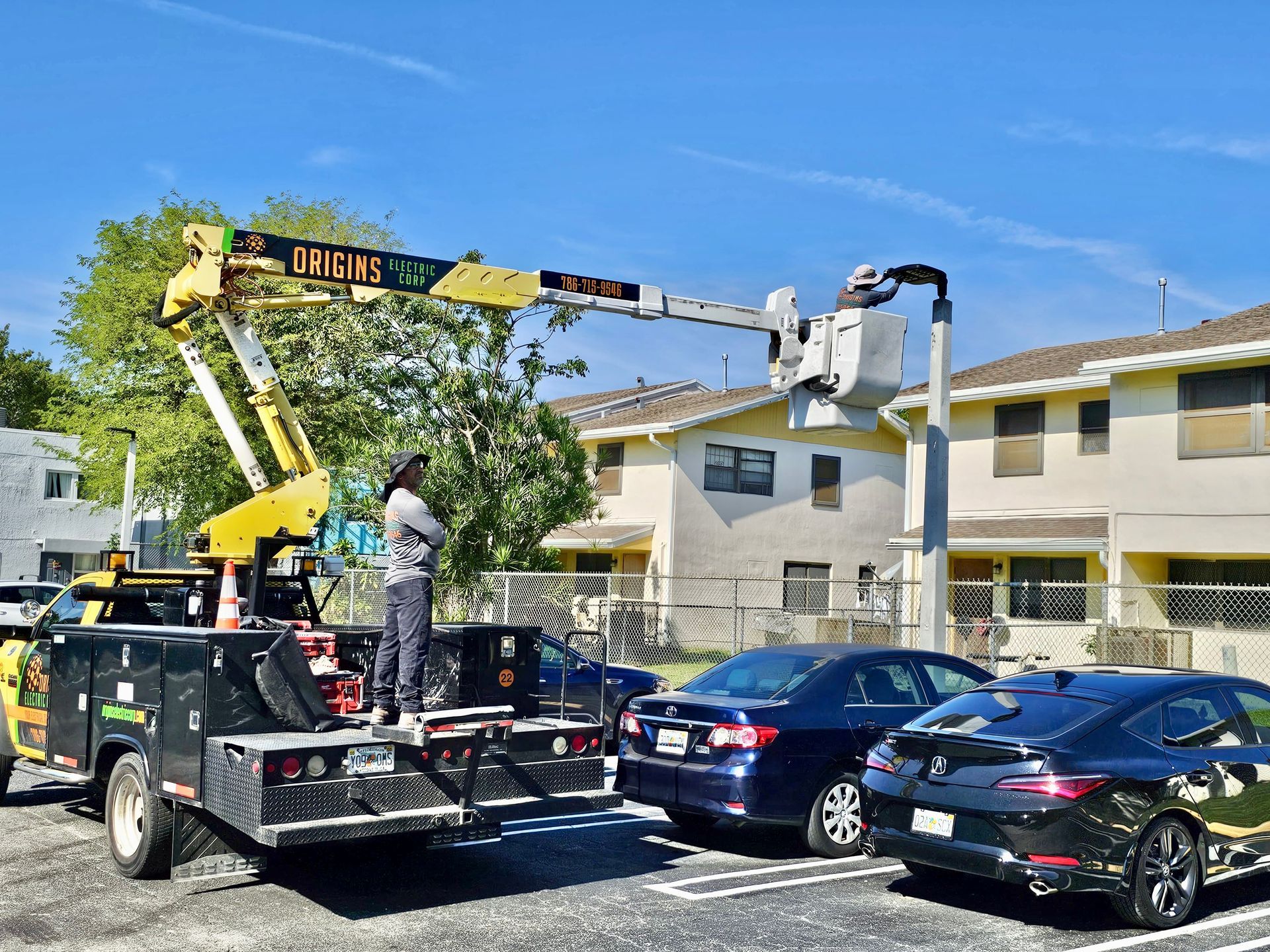
- Damaged parking lot or site-lighting components
- Equipment exposed to physical impact
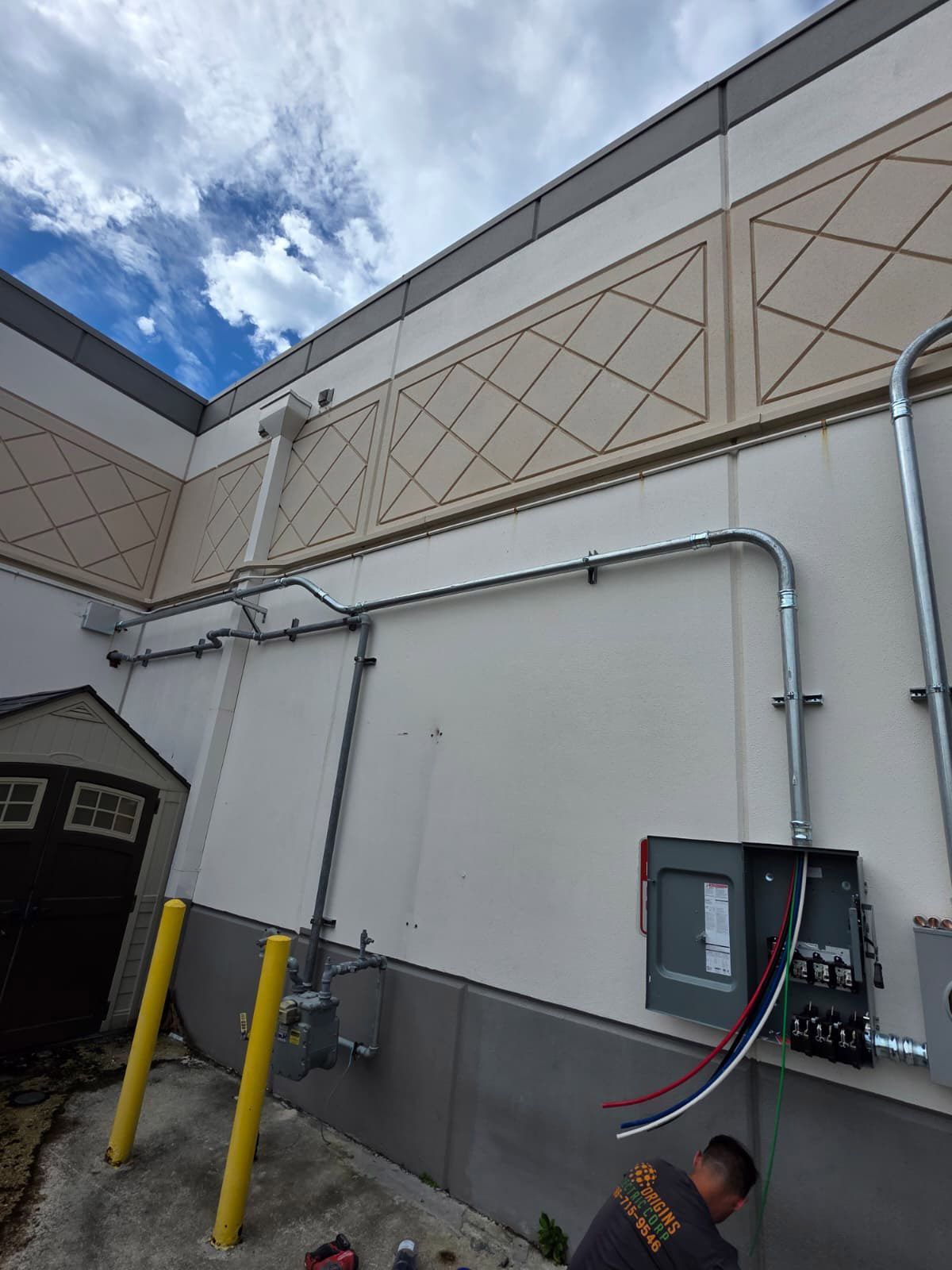
Commercial properties may have electrical equipment in parking areas, loading zones, rooftops, mechanical spaces, tenant areas, and exterior service locations. These areas can experience weather exposure, vehicle impact, water intrusion, and repeated access by multiple teams.
Do not touch damaged electrical components. Restrict access where appropriate and arrange for qualified troubleshooting or repair.
The appropriate scope may involve repairs, circuit corrections, lighting maintenance, enclosure replacement, service upgrades, or coordination with another contractor.
6. Blocked Panels, Unsafe Temporary Power, or Recent Load Changes
Commercial building electrical safety includes the condition of the space around electrical equipment, not just the equipment itself.
Boxes, pallets, tenant materials, stored inventory, or construction debris should not block access to panels and other equipment that may require operation or maintenance.
OSHA requires sufficient access and working space around applicable electrical equipment and states that required working space cannot be used for storage.
Temporary power also needs to be managed carefully. Extension cords and flexible cords may be appropriate for specific temporary uses, but they should not become a permanent substitute for properly planned distribution.
Warning signs include:
- Daisy-chained power strips
- Extension cords used as permanent wiring
- Cords routed through doorways or areas where they may be damaged
- New equipment added without reviewing available capacity
- Tenant improvements that leave circuits poorly labeled or overloaded
- Panels that no longer have a clear, organized working area
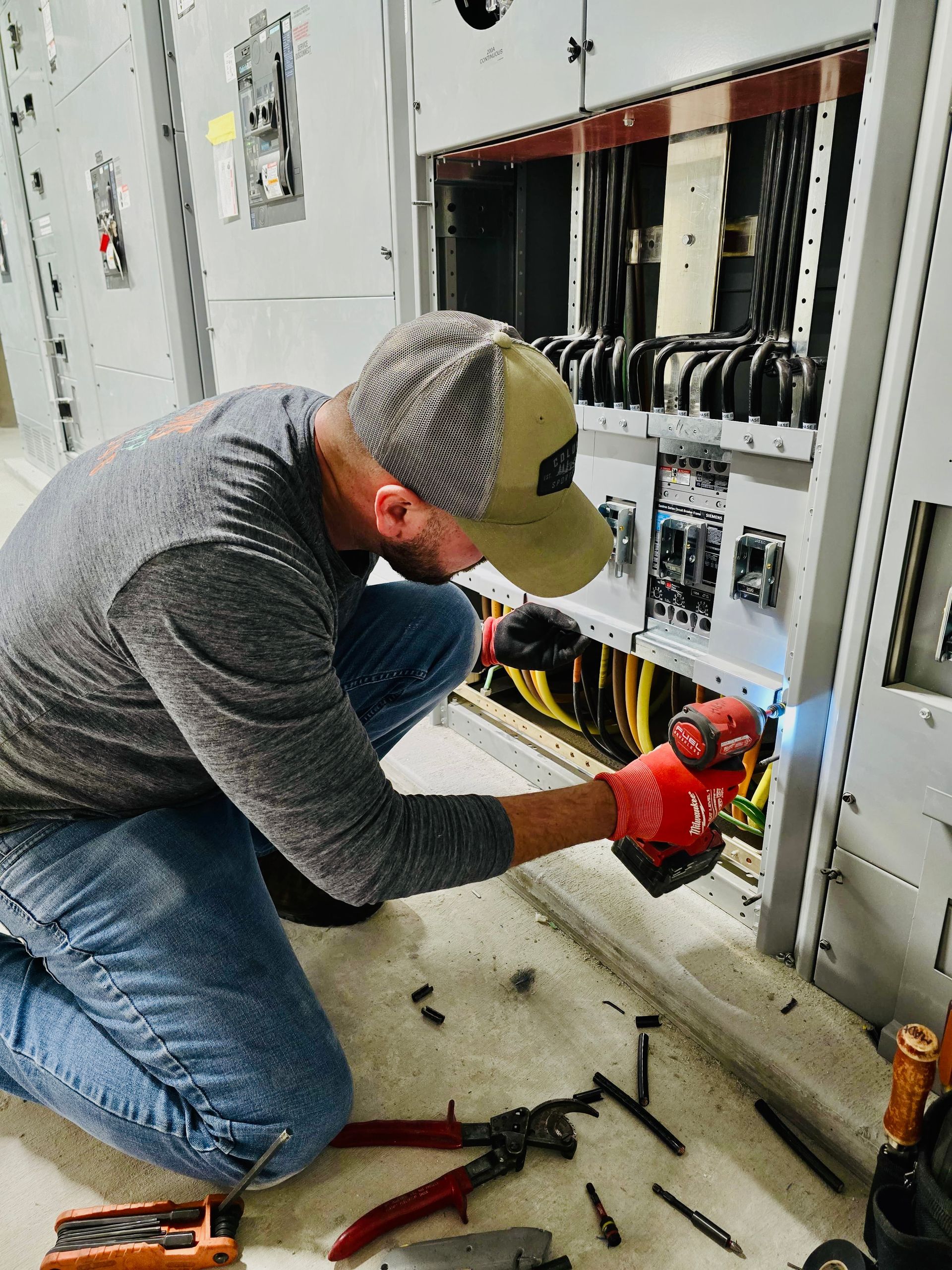
If the property has changed significantly, the electrical system may need to be reviewed as part of the new scope. That may include tenant improvements, dedicated circuits, panel upgrades, transformer installation, lighting changes, or new equipment feeds.
Why Commercial Electrical Systems Need a Broader Review
Commercial electrical hazards are connected to how the property operates.
A warning sign in one tenant space may relate to a shared panel, feeder, transformer, service, or equipment load. A lighting problem may involve the fixture, circuit, controls, or distribution.
A breaker trip may be connected to new equipment, an older circuit, or a change made during a build-out.
That is why property teams should document the symptom instead of assuming the visible component is the complete problem.
Origins Electric Corp supports commercial electrical scopes involving:
- Troubleshooting and repairs
- Panel and service upgrades
- Circuit corrections and separation
- Tenant improvements and build-outs
- Lighting maintenance and LED retrofits
- Parking and site lighting
- Transformers and new panel feeds
- Three-phase electrical work
- Generator installation and repair
- Permit handling and inspection coordination when required
Review the company’s
commercial electrical services in South Florida to understand the types of scopes supported.
What Workers and Property Teams Should Do
When a commercial electrical warning sign appears:
- Report the issue to the property manager, supervisor, or responsible facility contact.
- Keep people away from visible sparks, smoke, heat damage, exposed wiring, or damaged equipment.
- Do not open panels or attempt repairs unless you are qualified and authorized to perform that work.
- Record the location, time, operating conditions, and equipment involved.
- Note whether the issue began after a tenant change, lighting retrofit, equipment installation, storm, or other property change.
- Take photos only from a safe position and do not remove covers to get a closer view.
- Contact a qualified electrical contractor for troubleshooting and the appropriate next step.
Electrical servicing and maintenance may involve hazardous-energy control procedures. Those procedures belong to trained and authorized personnel. Employees should not attempt to bypass locks, tags, guards, or established safety procedures.
If there is visible fire, smoke, active sparking, or immediate danger to people, leave the area and contact emergency services.
How Preventive Electrical Maintenance Supports Safer Operations
Preventive maintenance is not only about avoiding an unexpected outage. It helps property teams identify changes in condition before they create a larger operational problem.
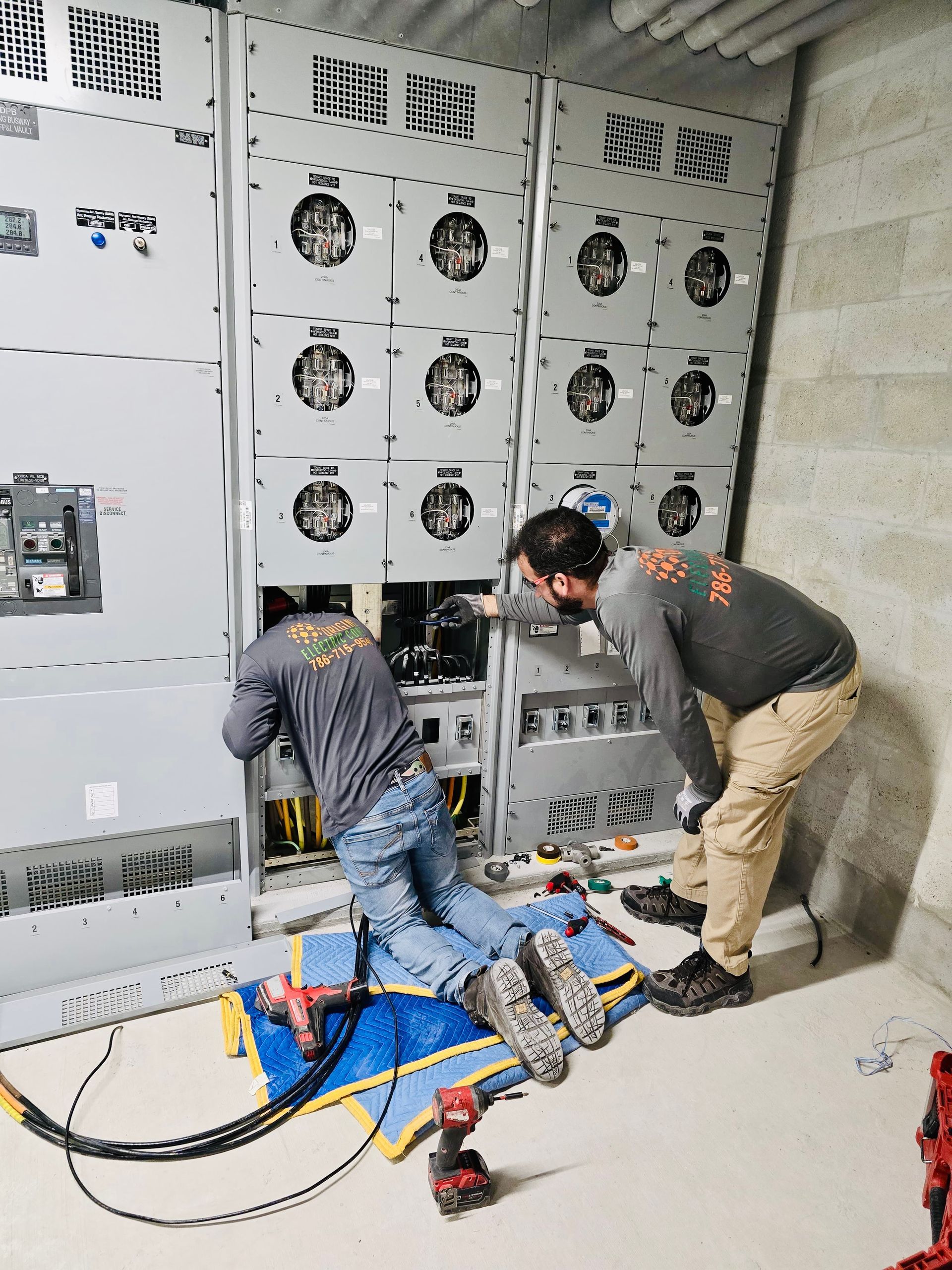
A commercial electrical maintenance review may include:
- Panel and equipment condition
- Connections and visible damage
- Working space and access
- Labels and circuit organization
- Lighting and site-lighting conditions
- Equipment wiring
- Generator and transfer equipment
- Transformers and three-phase systems
- Changes caused by tenant improvements or new equipment
NFPA’s electrical safety framework distinguishes between installation, equipment maintenance, and workplace safe-work practices through NFPA 70, NFPA 70B, and NFPA 70E. The specific scope depends on the property, equipment, condition, and applicable requirements.
Origins Electric Corp can help property teams determine whether the next step is troubleshooting, maintenance, repair, a panel or service upgrade, lighting work, or a larger commercial electrical scope.
Safe + Sound Week 2026: A Practical Reason to Review Electrical Hazards
OSHA Safe + Sound Week 2026 takes place August 10–16. The annual event encourages organizations to recognize safety programs and look for ways to identify and address workplace hazards.
For a property or facility team, the week can be a useful reason to:
- Ask workers what electrical issues they have noticed
- Walk critical electrical areas and confirm access is clear
- Review recurring trips, lighting failures, or partial power loss
- Document damaged equipment or temporary power concerns
- Identify recent changes that may affect the electrical system
- Assign qualified follow-up for issues that require professional attention
-
Safe + Sound Week is a workplace safety initiative. Origins Electric Corp’s role is to support the electrical troubleshooting, maintenance, repair, upgrade, and coordination work that may be identified during normal facility operations.
When to Request a Commercial Electrical Evaluation
Request prompt electrical help when you notice:
- Smoke or visible sparks
- A strong burning odor near electrical equipment
- Heat or discoloration
- Repeated breaker trips
- Partial power loss affecting operations
- Exposed or damaged electrical components
- A panel, transformer, disconnect, or junction box making unusual sounds
A planned evaluation may be appropriate for:
Flickering or dimming under load
- Recurring lighting failures
- New equipment or tenant improvements
- Capacity concerns
- Poorly organized or blocked electrical areas
- Aging panels or service equipment
- Parking lot or site-lighting problems
- Generator, transformer, or three-phase concerns
-
The right scope depends on the property and the condition. A qualified contractor should confirm what is needed before repair, replacement, or upgrade work begins.
What to Send When Requesting a Quote
The more useful information you provide, the easier it is to understand the project and plan the next step.
Send:
- Property address
- Property type
- Short description of the issue
- Photos, if safe to take
- Plans or panel schedules, if available
- Recent tenant, equipment, or lighting changes
- Project timeline
- Best way to reach you
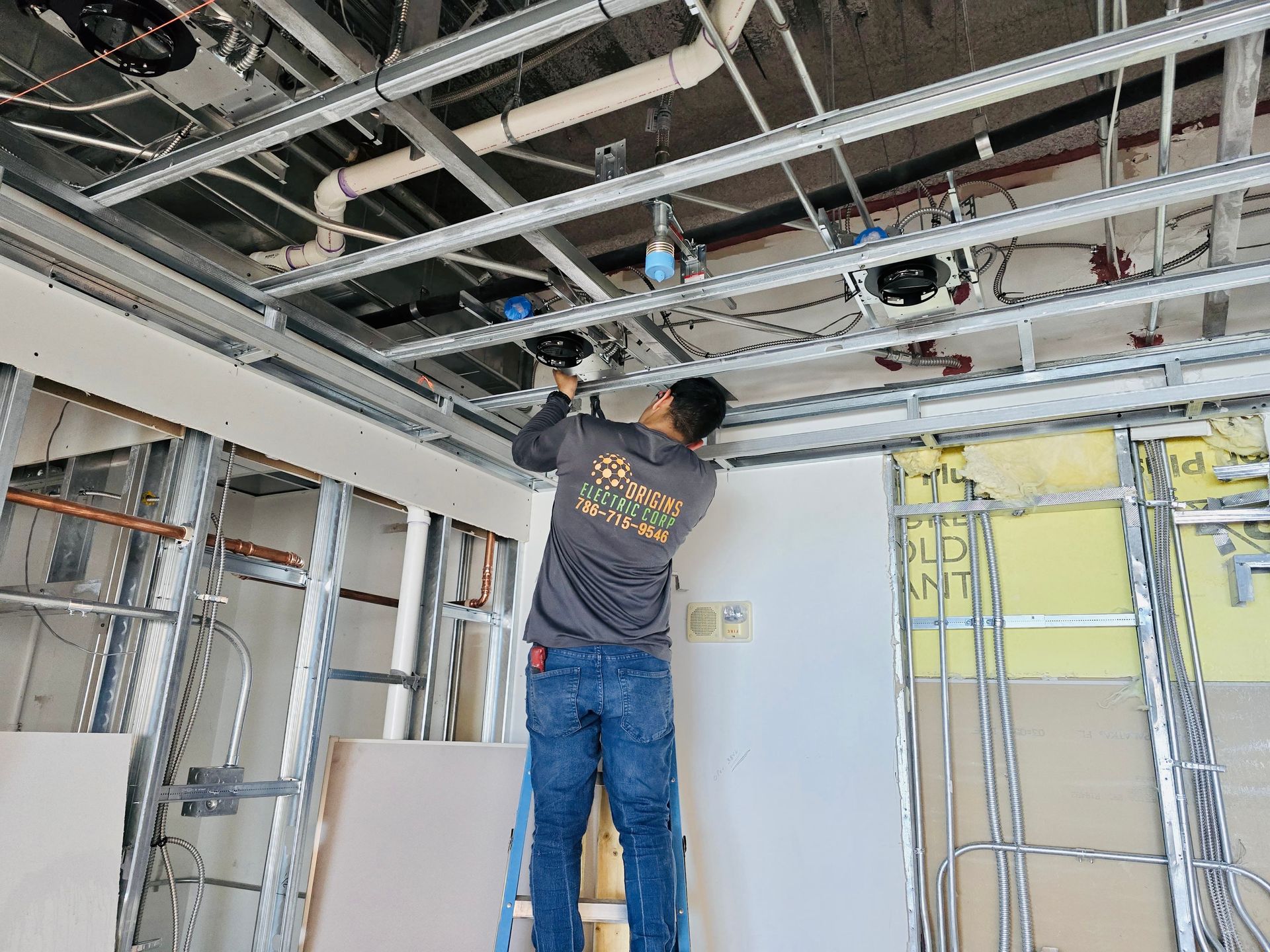
For a commercial project, you can get a quote from Origins Electric Corp. The team works with general contractors, property owners, property managers, developers, facility operators, and business owners across South Florida.
Frequently Asked Questions About Power Outage Preparedness
What are common electrical warning signs in a commercial building?
Common signs include unusual buzzing or crackling, repeated breaker trips, partial power loss, burning odors, hot or discolored equipment, flickering under load, damaged wiring, blocked panels, and unsafe temporary power arrangements.
Is it safe to keep resetting a breaker that keeps tripping?
No. Repeated trips should be evaluated instead of continually reset. The breaker may be responding to an overload, damaged circuit, equipment problem, or another condition that needs to be diagnosed.
When should a facility manager call an electrical contractor?
Call promptly for smoke, sparks, burning odors, heat, visible damage, repeated trips, or partial power loss. A planned evaluation may be appropriate for recurring lighting issues, load changes, tenant improvements, or capacity concerns.
Can electrical problems appear after a tenant improvement or equipment change?
Yes. Adding equipment, circuits, lighting, or new tenant layouts can change how the existing electrical distribution is used. The scope should be reviewed so the new work is planned properly.
What should a property manager send to get a quote faster?
Send the property address, property type, photos if safe, a short description, plans or panel schedules if available, recent changes, and the desired timeline.
Do commercial electrical repairs require permits or inspections?
Permit and inspection requirements depend on the scope and jurisdiction. Origins Electric Corp handles permits and coordinates inspections when required.
Does Origins Electric Corp work on industrial and commercial electrical systems?
Yes. Origins supports commercial, industrial, and serious residential electrical work, including troubleshooting, maintenance, panel and service upgrades, lighting, transformers, three-phase systems, generators, and tenant improvements.
Get a Quote
If your commercial property is showing electrical warning signs, do not wait for the problem to become a larger interruption.
Send the property address, photos if safe, a short scope, and your timeline. Origins Electric Corp will help you choose the next step.
Origins Electric Corp
Your electrical contractor
Licensed and Insured
Smart electrical tips, straight to your inbox
Get practical advice, safety tips, and updates to help you protect your home and plan your next project with confidence.
Contact Us
We will get back to you as soon as possible.
Please try again later.
SHARE THIS
Latest Posts