By • October 7, 2026
Quick Answer:
- A partial power outage means some rooms, circuits, or equipment have power while others do not.
- After a South Florida storm, possible causes include a tripped protective device, a damaged service connection, or a problem within the property’s electrical system. The symptoms alone cannot identify the cause.
- Check the utility’s outage status and note what remains without power. Stay away from damaged wiring, service equipment, and any electrical equipment exposed to water.
- If you notice a burning smell, unusual heat, exposed wiring, or water-damaged equipment, stay clear and call a licensed electrical contractor. For smoke, active sparking, fire, downed lines, or immediate danger, move away and call 911.
The power is back on in your neighborhood, but part of your building is still dark. Maybe it’s one floor, a few rooms, or equipment your team depends on. Now you’re left wondering: is the utility still working, or is there a problem inside the property?
Start by checking the outage status from a safe location and noting what is still without power. We’ll walk you through what to check, what not to touch, and when to call a licensed electrical contractor or 911.
What a Partial Power Outage Can Mean After a Storm
The interruption could involve a circuit, a protective device, a service connection, or damaged equipment at the property.
FPL identifies a tripped breaker, a blown fuse, and a damaged connector or wire at a service lead among the possible causes.
In some homes, a service-lead problem can leave certain 120-volt outlets working while 240-volt equipment, such as an air conditioner, water heater, or oven, remains unavailable. That pattern is a possibility, not a diagnosis of your home.
Commercial properties can have different electrical arrangements. One tenant space, floor, lighting area, or piece of equipment may remain offline even though other areas have power.
A qualified evaluation is needed to locate the problem, identify the affected equipment and coordinate the next step.
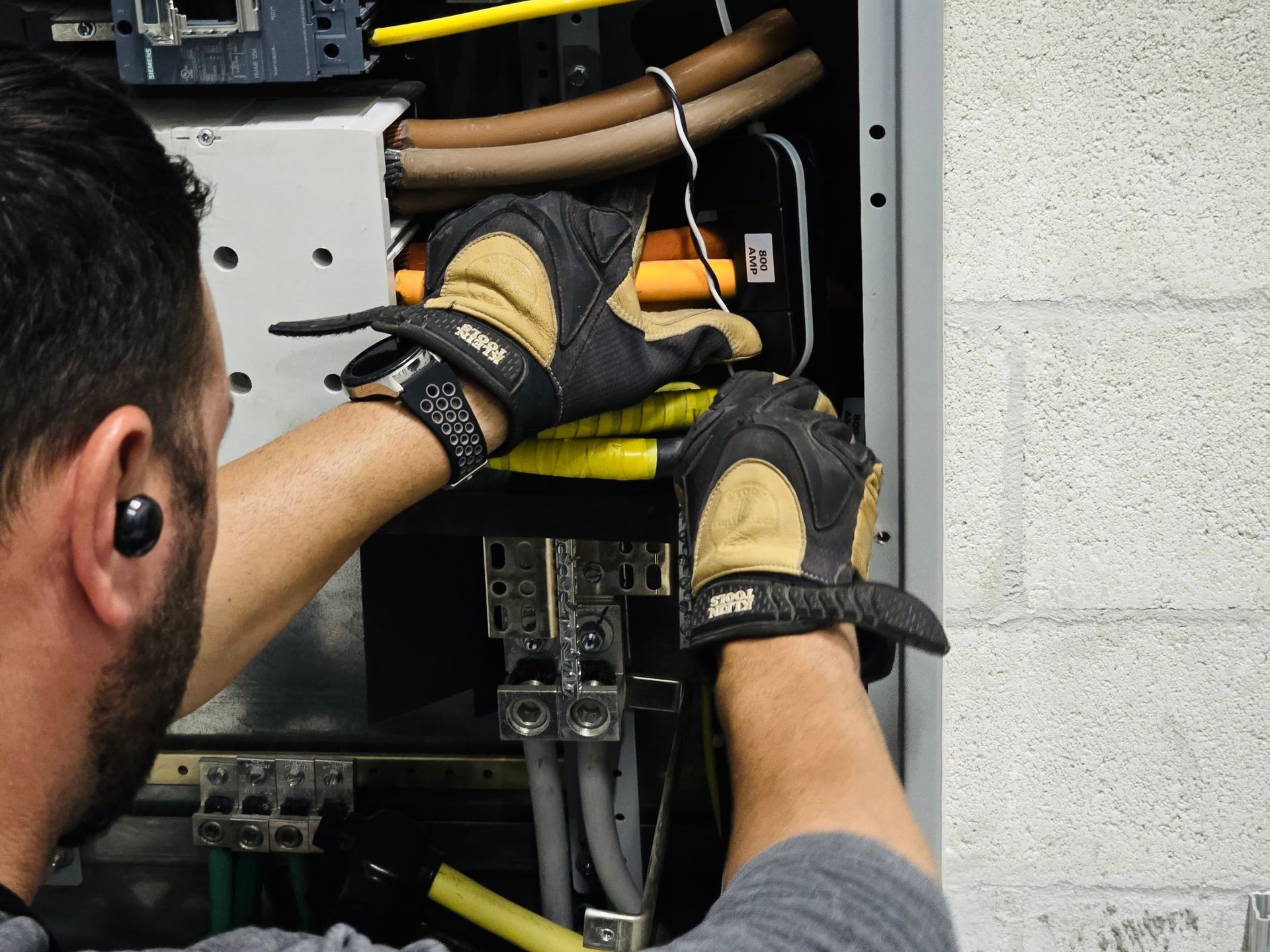
Is the Problem With the Utility or the Property?
Start with what you can observe without touching electrical equipment. These clues can help you decide whom to contact, but they cannot establish where the fault is.
Signs the issue may involve the utility or service connection
Nearby properties may still be without power, or the utility may show an active outage or ongoing restoration.
Damage to an overhead line or service connection may also be visible from a safe distance. Stay well clear of lines and report suspected utility damage.
A neighbor having power does not prove the problem is inside your property. Nearby buildings can be served by different lines or equipment. If you are an FPL customer, you can check or report an outage while you gather information about what is affected.
Signs the issue may be at the property
If surrounding properties have been restored but yours still has partial power, building-side equipment may need evaluation. A problem with the utility service connection is also possible.
Repeated breaker trips, damaged building-side service equipment, or an electrical issue that appeared after water entered the property also call for professional attention.
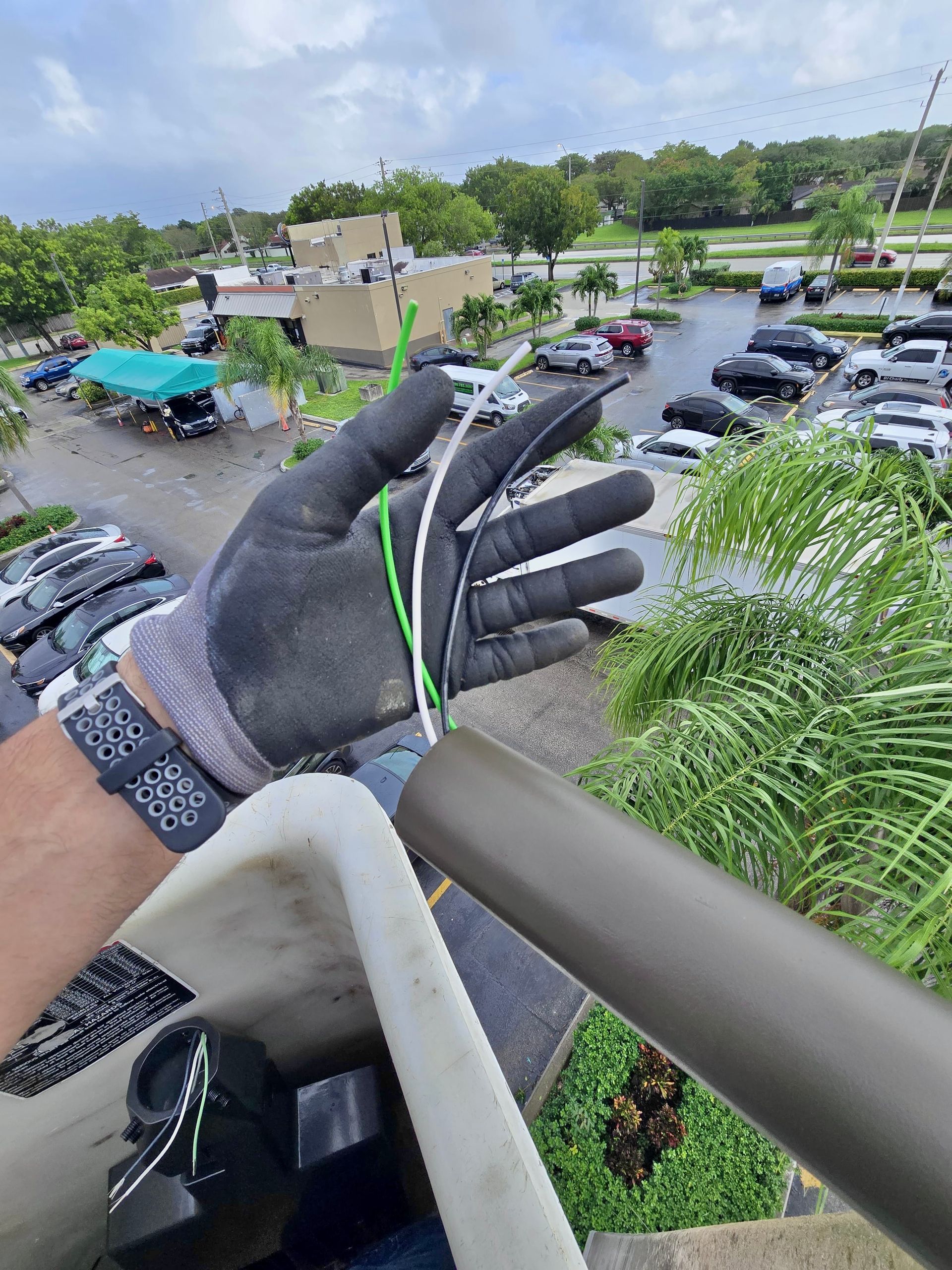
From a safe location, you may be able to see damage to piping or wiring attached to the building near the meter. Do not approach it to investigate.
An electrical contractor can evaluate property-owned equipment; the utility must address equipment it owns. If that boundary is unclear, report the condition to the utility and describe it to the contractor.
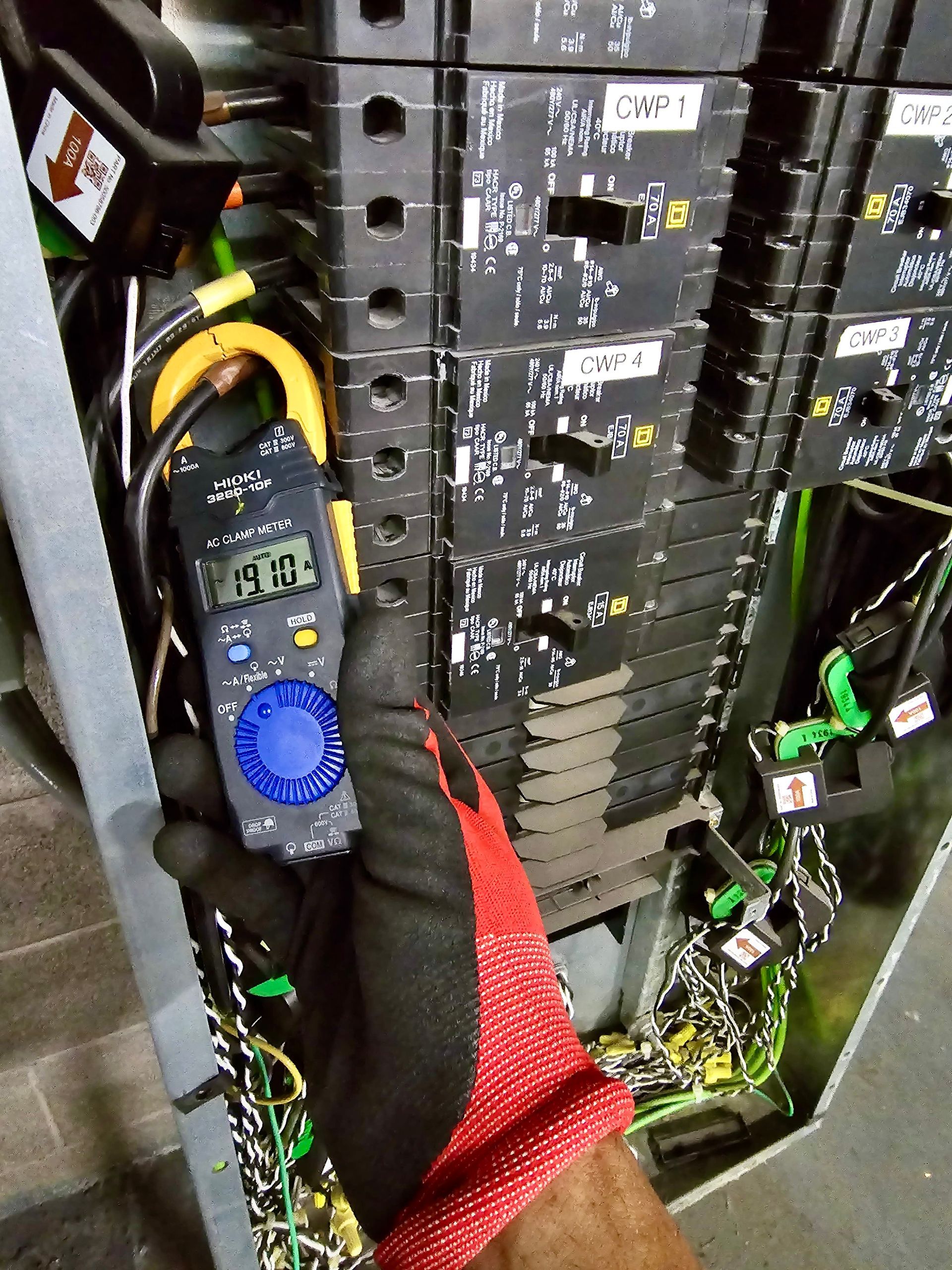
When Partial Power Becomes an Electrical Emergency
Partial power deserves a more urgent response when it comes with:
- Smoke, sparks, arcing, or active fire
- A burning or unusual electrical odor
- Buzzing or unusual heat near electrical equipment
- Exposed or storm-damaged wiring
- Flooded or water-damaged outlets, panels, or equipment
- Breakers that keep tripping, especially alongside another warning sign
Do not open a panel, touch damaged equipment, or repeatedly reset a breaker to see whether the problem goes away. Keep people clear of the affected area.
For smoke, active sparking, fire, a downed line, or immediate danger, move to safety and call 911. Report downed utility lines to the utility from a safe location.
Once the immediate hazard is addressed, a licensed electrical contractor can evaluate property-side damage. A
burning smell near electrical equipment can be a warning sign even before smoke appears.
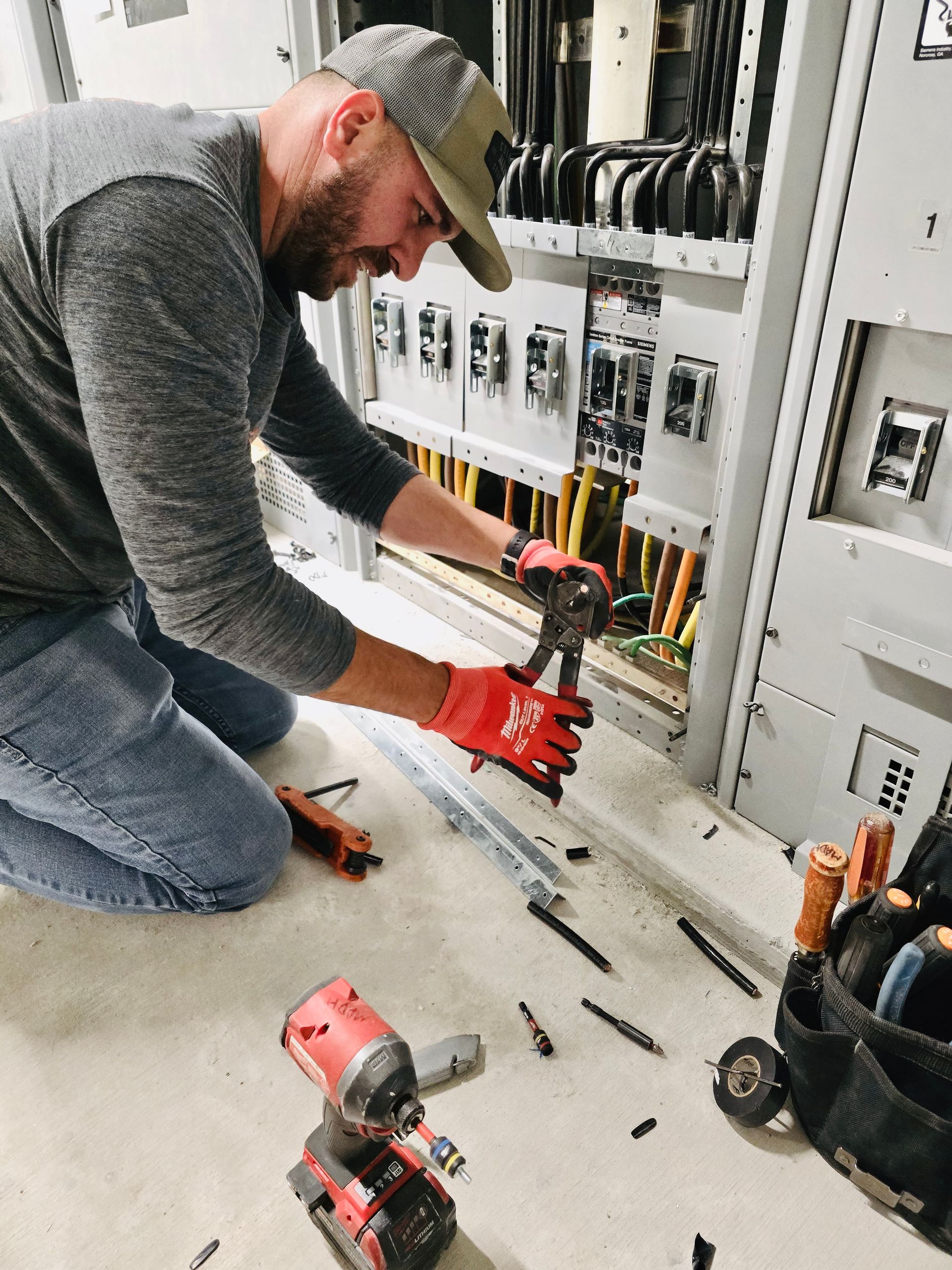
What Homes and Businesses Should Do After Power Returns
You do not need to determine the electrical cause before asking for help. A clear account of what happened and what remains offline gives the utility or contractor a useful starting point.
Homeowners
Check whether the utility is still reporting an outage. Note which rooms, outlets, and major appliances are affected and whether the problem began during the storm or when power returned. Take photos of visible exterior damage only from a safe location.
Keep away from wet or visibly damaged equipment. Do not use outlets or appliances exposed to flooding until they have been evaluated by a qualified professional. If partial power persists, report the condition to the utility and contact a licensed electrician to assess property-side equipment when needed.
Property managers and businesses
Record which areas, tenant spaces, systems, and equipment remain offline. Identify any effect on access, security, refrigeration, lighting, HVAC controls, or other operations that matter to the property.
Keep people away from damaged or water-exposed electrical equipment, and do not return that equipment to service without qualified evaluation.
For service coordination, gather the property address, a timeline, the affected areas, photos taken from a safe distance, and any available plans or panel schedules. If a tenant space or critical system remains offline, a
commercial electrical contractor can evaluate building-side equipment and define the repair scope.
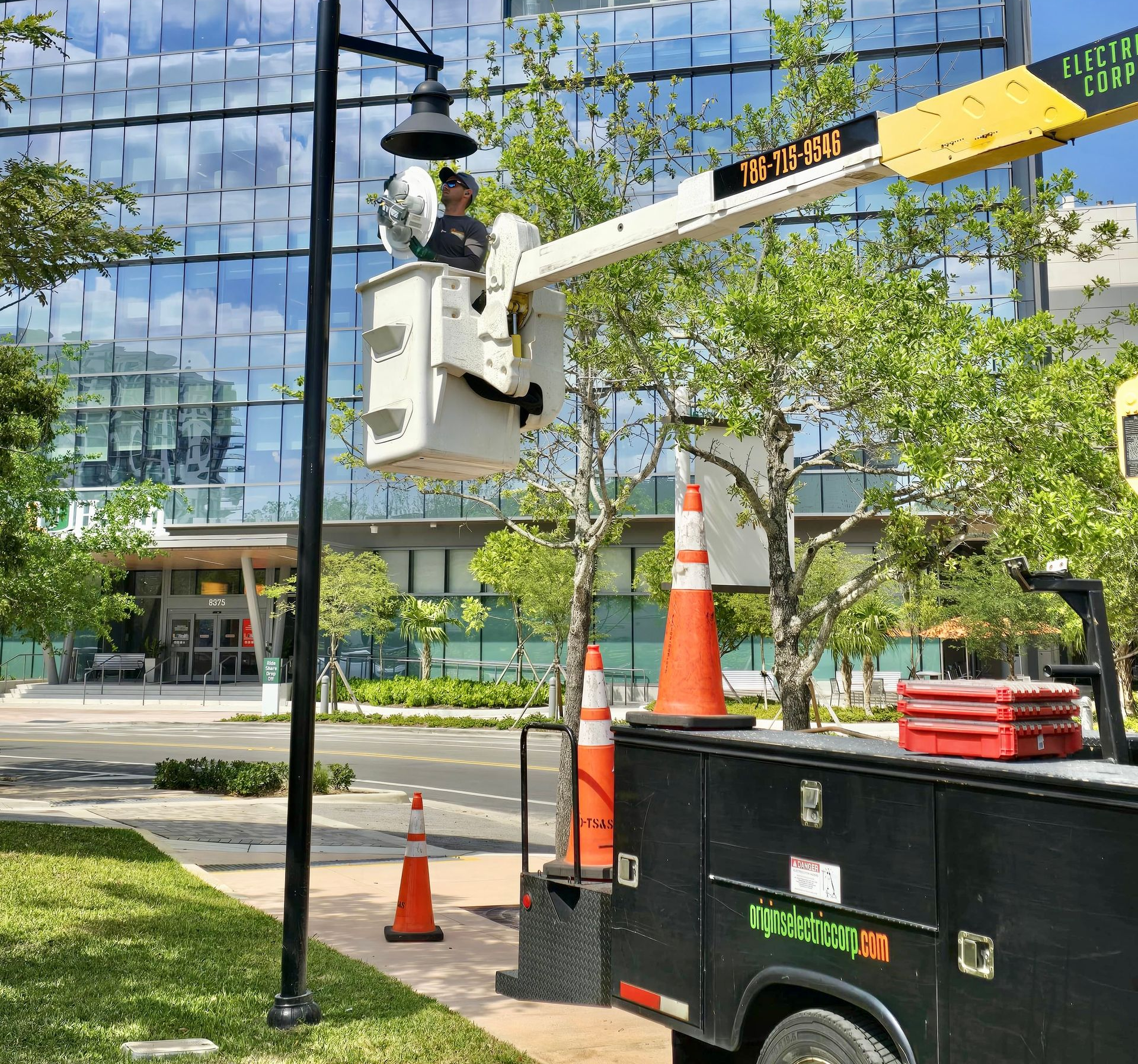
How Preparation Helps With Post-Storm Recovery
Your team cannot control when the utility restores power. Keep current records of critical equipment, electrical plans or panel schedules, photos of existing conditions, and emergency contacts.
After a storm, these records help you document what changed, identify affected systems, and coordinate an electrical evaluation.
After this issue is resolved, review what information was hard to find and which systems required attention first. For planning before the next outage, see our guide to
power outage preparedness in South Florida.
When to Call the Utility and When to Call an Electrician
- Utility restoration is still underway, or you suspect damage to a utility line? Check or report the outage with your utility. Your neighbors having power does not rule out a problem with the line serving your property.
- Partial power persists, or building-side equipment appears damaged? Contact a licensed electrical contractor for an evaluation. The utility may also need to be involved if the service connection is affected.
- There is smoke, active sparking, fire, a downed line, or immediate danger? Move away and call 911 first. Report a downed utility line to the utility from a safe location.
If you cannot tell which side of the service is involved, explain what you can observe to the utility and the electrical contractor. You do not need to make that determination by opening or testing equipment yourself.
Need Electrical Help After a Storm?
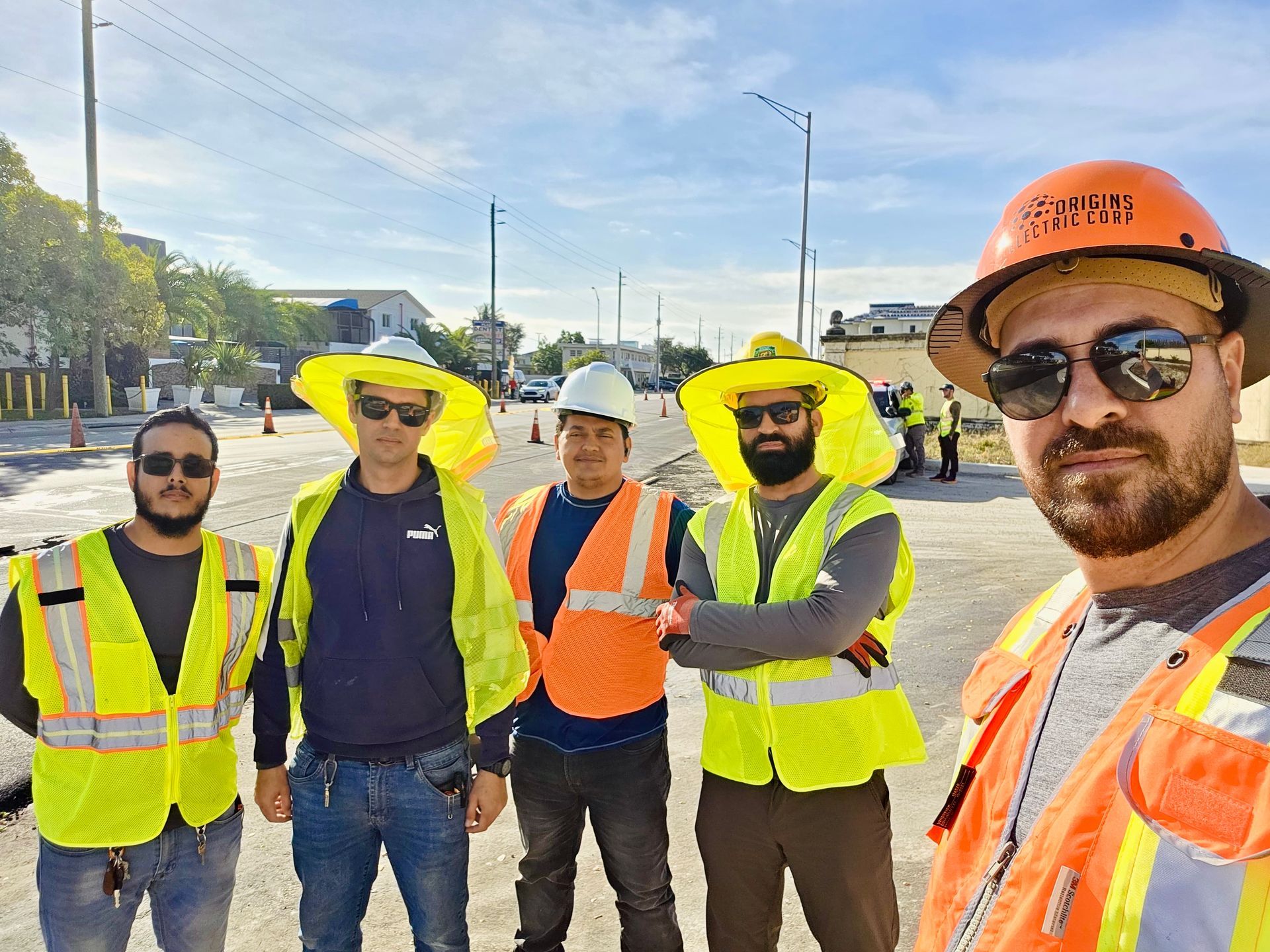
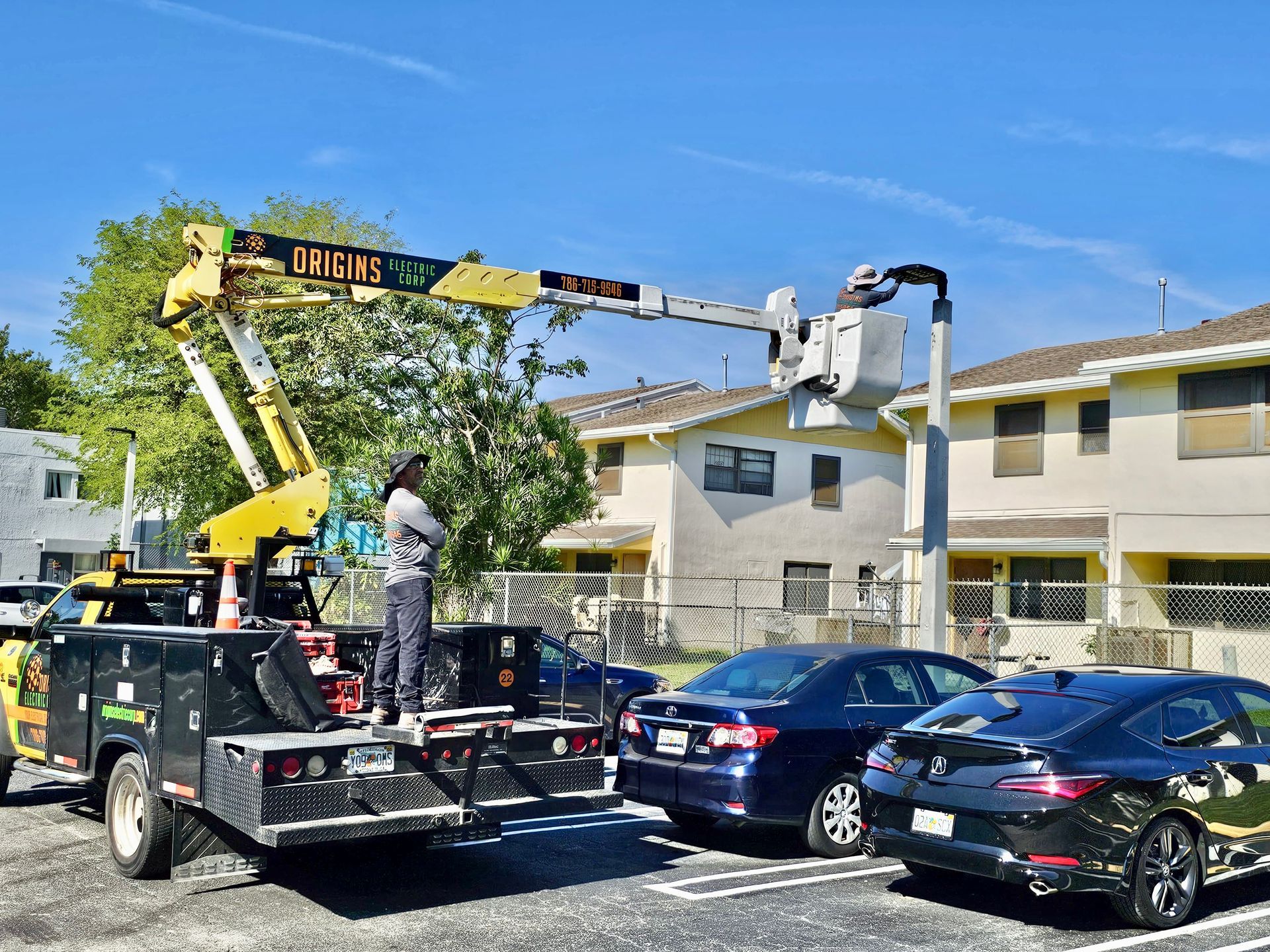
Origins Electric Corp handles electrical troubleshooting and repairs for commercial properties and serious residential needs across South Florida.
If your property remains partially powered and needs an electrical evaluation, Get A Quote. Include the address, affected areas, timeline, and any photos taken safely.
For an urgent electrical concern after you are clear of immediate danger,
Call For Emergencies at
(786) 715-9546. Property teams with plans or panel schedules can
Send Plans By Email to
originselectric@gmail.com.
Licensed and Insured
Smart electrical tips, straight to your inbox
Get practical advice, safety tips, and updates to help you protect your home and plan your next project with confidence.
Contact Us
We will get back to you as soon as possible.
Please try again later.
SHARE THIS
Latest Posts